
• Skip to primary navigation
  • Skip to main content
  • Skip to primary sidebar
6000A Sawgrass Village Circle, Ponte Vedra Beach, FL 32082
Anna@tidalshieldins.com Canopy Connect
Tidal Shield Insurance
  • About
  • Home Insurance Auto Insurance Flood Insurance Hurricane Insurance Personal Property Insurance High-Value Home Insurance
  • Contact Us
(904) 844-0231 Start my quote
Tidal Shield Insurance
About
Home Insurance Auto Insurance Flood Insurance Hurricane Insurance Personal Property Insurance High-Value Home Insurance
Contact Us
(904) 844-0231 Start my quote

Uncategorized

November 9, 2026 by qa_agent

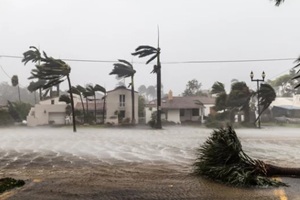
flooded las olas blvd and palm trees blowing in the winds

When most people think about hurricane preparation, they think about shutters, generators, bottled water, and weather forecasts. Insurance deserves a spot on that list, too.

Once a storm is named and starts threatening Florida, many carriers temporarily restrict policy changes and new business. For homeowners in Ponte Vedra Beach and along the St. Johns County coast, a review done early answers questions like how much the hurricane deductible is in actual dollars, whether flood coverage is in place, and whether the records needed to support a claim are organized.

Hurricane Season Homeowners Insurance Checklist

Before the most active part of hurricane season arrives, work through the following list:

  • Calculate your hurricane deductible in dollars.
  • Confirm flood insurance is in force and any waiting period has passed.
  • Verify dwelling coverage reflects current rebuilding costs.
  • Check coverage for other structures: detached garages, fences, and pool enclosures.
  • Review personal property and additional living expense coverage.
  • Verify your wind mitigation inspection is current and on file.
  • Create or update a home inventory and store key records digitally.
  • Look up your St. Johns County evacuation zone.
  • Schedule a policy review before a named storm, especially if you recently purchased a home or changed carriers.

Why Your Insurance Review Has a Deadline

Insurance planning works best before tropical activity ramps up and a named storm triggers carrier restrictions.

Many Florida carriers temporarily restrict policy changes when a named storm threatens the state. Even if a hurricane is projected to affect another region, policy changes can still become difficult for homeowners in Northeast Florida.

Aim to complete a review before June 1, then revisit your policy before the busiest part of hurricane season between mid-August and October.

Recent homebuyers and homeowners who have switched carriers should be especially careful. Policies often change during a home purchase, refinance, or carrier transition, and details can get overlooked. Reviewing yourhome insurance policy before storm season gives you time to make adjustments while they are still available.

Know Your Hurricane Deductible in Dollars

Ask a homeowner about their hurricane deductible, and many can tell you the percentage. Ask what that percentage equals in dollars, and the answer is often less clear.

Florida hurricane deductibles are commonly based on a percentage of your dwelling coverage rather than a flat-dollar amount. Typical percentages include 2 percent, 5 percent, and 10 percent.

Here’s a simple example. A home insured for $600,000 with a 2 percent hurricane deductible would leave the homeowner responsible for the first $12,000 of covered hurricane damage.

That number deserves a place in your hurricane preparedness planning. Knowing it ahead of time can help you understand your potential out-of-pocket responsibility if a storm damages your property.

Florida’s hurricane deductible structure also differs from standard property deductibles. In many cases, the hurricane deductible applies once per calendar year for hurricane losses covered by the same insurer or insurer group.

Confirm Your Flood Coverage Before the Season Peaks

One of the most common coverage misunderstandings involves flood damage.

A homeowners policy may cover certain types of wind-related hurricane damage, but storm surge and rising water are typically excluded. That’s why many coastal homeowners carry a separate flood insurance policy.

Most National Flood Insurance Program policies have a flood insurance waiting period of 30 days before coverage becomes effective. Certain mortgage-related exceptions exist, but homeowners should not assume they can purchase flood coverage at the last minute.

Citizens Property Insurance policyholders should also be aware of expanding flood insurance requirements, which are scheduled to apply to all personal residential policies beginning January 1, 2027.

A quick review now can confirm that your policy is already in place, your limits are appropriate, and no waiting period stands between you and protection.

Check the Coverage Limits That Matter Most

Your declarations page contains a lot of information. A handful of areas deserve extra attention before hurricane season.

CoverageWhat It ProtectsWhat to Confirm
DwellingThe home itselfCoverage reflects current rebuilding costs
Other structuresGarages, fences, pool enclosuresAll structures are included
Personal propertyFurniture, electronics, clothingReplacement cost coverage is selected
Additional living expensesTemporary housing after a covered lossLimits and duration are understood
Wind mitigation creditsStorm-resistant home featuresCurrent inspection is on file

Many Ponte Vedra Beach homes include custom finishes, detached structures, and higher-value furnishings that can increase rebuilding and replacement costs.

Wind mitigation credits deserve attention as well. If you’ve installed impact-resistant windows, upgraded a roof, or added other storm-resistant improvements, make sure your carrier has the documentation needed to recognize those updates.

Organize Your Records for a Smoother Claim

The best time to document your belongings is before anything happens.

An insurance inventory checklist can make the claims process much easier after a storm. Walk through the house with your phone and photograph or record each room. Open drawers, closets, cabinets, and storage areas.

For higher-value items, keep digital copies of the following:

  • Receipts
  • Appraisals
  • Photographs
  • Warranty information

Jewelry, artwork, collectibles, and specialty items may require additional protection throughpersonal property insurance.

Store those records somewhere other than the home itself. Cloud storage is often the simplest option.

Florida law also places deadlines on reporting property insurance claims. Having organized records available can help support a more efficient hurricane insurance claim if storm damage occurs.

Review Your Plan With a Local Advocate

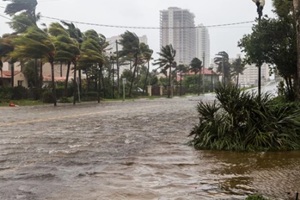
palm trees blowing in the wind and rain as a hurricane approaches a tropical island coastline

A checklist helps you identify what to review. A policy conversation helps you determine whether your coverage still matches your home.

For many homeowners, the biggest questions arise after a home purchase, carrier change, roof replacement, or renovation. Reviewing your homeowners insurance, flood protection, and hurricane insurance together can uncover gaps, confirm limits, and verify that wind mitigation credits and other discounts are being applied correctly.

But storm preparation involves more than insurance. Much of Ponte Vedra Beach falls within St. Johns County’s Zone A evacuation area, so it’s worth looking up your evacuation zone before hurricane season reaches its busiest months. Understanding evacuation requirements and understanding your insurance protection go hand in hand when preparing for a storm.

This is also where an independent agent can help. Rather than relying on a single carrier, Tidal Shield shops vetted A-rated carriers on your behalf and explains coverage differences in plain language, making it easier to understand where gaps may exist before the season gets busy.

If you’ve worked through this homeowners insurance checklist and still have questions, schedule a conversation with Tidal Shield. You’ll review your coverage with a real person who knows the First Coast and can help you prepare before a named storm limits policy changes.

Filed Under: Uncategorized

November 2, 2026 by qa_agent

hurricane Irma and tropical storm

Coastal Northeast Florida homeowners often hear the term “hurricane insurance” when buying a home or reviewing a renewal, but hurricane protection in Florida doesn’t come from a single policy.

Wind and named storm coverage usually sit inside the homeowners policy. Some coastal properties carry wind protection through a separate wind-only policy, and homeowners buy flood coverage on its own.

Florida law doesn’t require hurricane coverage, but mortgage lenders usually require wind protection before approving a loan. Knowing how these coverages fit together helps homeowners spot gaps before storm season, which is what a question like what does hurricane insurance cover in Florida really comes down to.

Is Hurricane Insurance a Separate Policy in Florida?

Florida doesn’t offer a standalone hurricane insurance policy. Most homeowners get hurricane-related wind damage protection through their homeowners policy, which is why searching for a product labeled “hurricane insurance” rarely turns up what people expect.

Some coastal homes carry a separate wind-only policy that works alongside the homeowners policy during a named storm. This split often comes up during a home purchase, since lenders review insurance paperwork before closing.

What Hurricane Insurance Typically Covers

A named storm often triggers several coverages on a homeowners policy.

CoverageWhat It Usually Pays For
DwellingRoof, walls, windows, and rain damage that enters through a wind-created opening
Other structuresDetached garages, fences, docks, and pool enclosures
Personal propertyFurniture, electronics, and clothing damaged by wind
Additional living expensesHotel, rental, and extra meal costs while the home is repaired

Dwelling coverage protects the home’s structure, including the roof, siding, windows, and rain that enters through a wind-created opening. These losses are what most people mean when they ask whether homeowners insurance covers hurricane damage.

Other structures coverage picks up detached garages, fencing, storage buildings, pool enclosures, and some dock-related structures. Personal property coverage applies to furniture, electronics, clothing, and other belongings damaged by a covered wind event.

If storm damage leaves the home temporarily unlivable, additional living expenses coverage can pay for hotel stays, temporary housing, and some extra meal costs during repairs.

What Hurricane Insurance Does Not Cover

Standard homeowners and wind policies exclude flood damage, even when the flooding happens during a hurricane. Storm surge, rising water, and water entering from outside ground level count as flood losses, which require a separate flood insurance policy.

That split causes one of the biggest coverage gaps for coastal homeowners. A property can carry strong wind protection and still have no coverage for storm surge.

A National Flood Insurance Program policy caps building coverage at $250,000 and contents at $100,000. Those limits often fall short of rebuilding costs for higher-value coastal homes. Homeowners with pricier properties should look at how flood coverage fits with their broader high-value home insurance plan.

Before hurricane season starts, check four items:

  • Flood insurance is in place
  • Flood limits match the home’s value and contents
  • The dollar amount of the hurricane deductible
  • How much is available for temporary living expenses during repairs

A declarations page often shows coverage gaps that have slipped through multiple renewals.

Policies also limit or exclude losses tied to wear and tear, older roof deterioration, and some mold claims. What qualifies depends on the cause of the damage and the policy’s specific terms.

How Florida Hurricane Deductibles Work

Florida insurers offer hurricane deductibles of 2 percent, 5 percent, or 10 percent of the home’s dwelling coverage amount. A standard deductible is usually a flat dollar figure, but a hurricane deductible is tied directly to the amount of insurance on the home.

A homeowner with $750,000 in dwelling coverage and a 5 percent hurricane deductible would pay the first $37,500 of covered damage before policy benefits begin.

A National Hurricane Center watch or warning triggers the deductible. Under Florida rules, the hurricane deductible applies once per calendar year with the same insurer.

Checking this number before hurricane season tells homeowners what they’d owe out of pocket on a claim.

Can You Still Get Hurricane Coverage in Florida?

Coverage is available throughout Florida, including coastal communities, but timing becomes a problem once a storm gets close. When a named storm triggers a hurricane watch affecting Florida, insurers stop binding new policies and restrict most coverage changes until the threat passes. Homeowners who wait until a storm appears in the forecast often find it’s too late to make the changes they wanted.

An independent agency can shop multiple A-rated carriers and compare homeowners, wind, and flood coverage based on where the property sits and its risk profile. A wind-mitigation inspection may also surface construction features some insurers factor into their pricing.

Get Clear Answers From a Local Agent

powerful storm surge crashing against the waterfront promenade in hong kong during a typhoon

A declarations page shows policy limits and premiums, but may not explain how different coverages would work together after a hurricane claim.

Rain through a wind-damaged roof, storm-surge losses, flood limits, and hurricane deductibles each affect claim outcomes differently. Knowing which policy responds to which type of damage often matters more than the premium.

A local agent can walk through where one policy ends and another begins, and whether current limits still match the home’s value and exposure.

Tidal Shield Insurance helps coastal Northeast Florida homeowners review coverage in plain language and compare options across multiple A-rated carriers. If you’re buying a home or reviewing a renewal, contact Tidal Shield today for a policy check that walks through deductibles, flood protection, and other coverage questions.

Filed Under: Uncategorized

Primary Sidebar

Tidal Shield Insurance

Independent insurance for Florida’s First Coast — home, auto, flood, hurricane, and the things you treasure, explained in plain English and shopped across carriers.

(904) 844-0231 Anna@tidalshieldins.com 6000A Sawgrass Village Circle, Ponte Vedra Beach, FL 32082

Explore

  • Home
  • About
  • Contact
  • Services

Coverage

  • Home Insurance
  • Auto Insurance
  • Flood Insurance
  • Hurricane Insurance
  • Personal Property Insurance
  • High-Value Home Insurance
© 2026 Tidal Shield Insurance. All rights reserved. Sister agency of Coastal Shield Insurance. Privacy Policy · Terms of Use · Site by 321 Web Marketing